
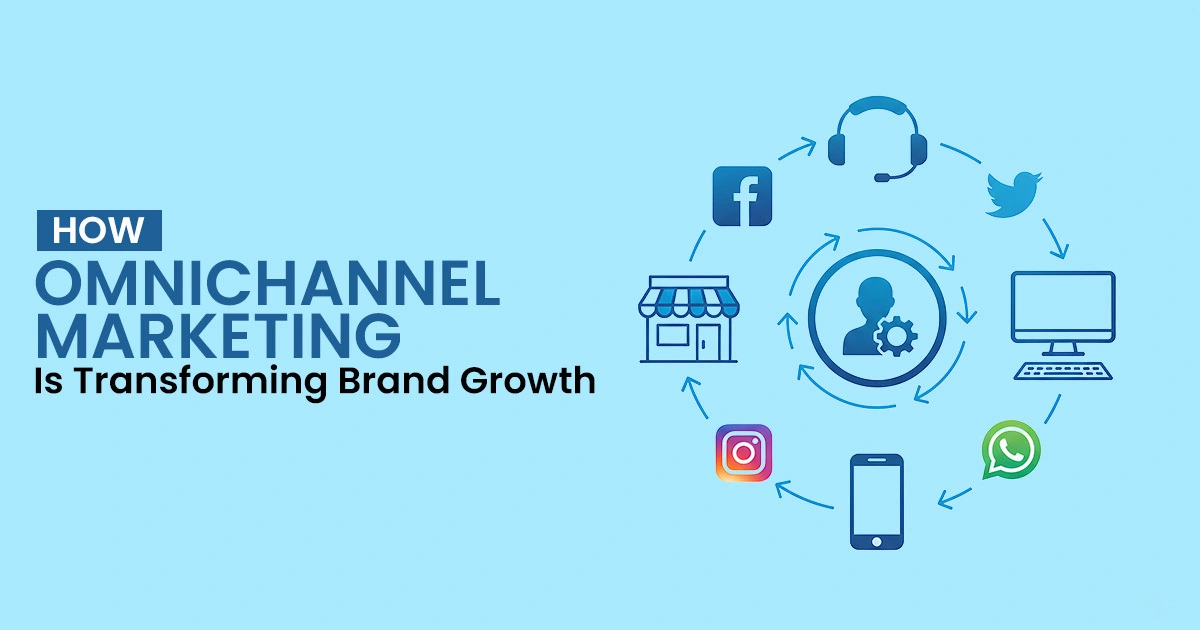
Your customers don’t shop the way they used to. They might discover your product on Instagram during their morning scroll, research it on their laptop at work, and finally buy it in-store on the weekend. If your marketing isn’t designed for this reality, you’re missing opportunities every single day.
Understanding What Omnichannel Actually Means
The omnichannel meaning is simpler than most marketing experts make it sound. It’s about connecting all your customer touchpoints so they work together instead of competing with each other. When someone interacts with your brand, the experience should feel natural and continuous, whether they’re on social media, your website, or walking into your physical location.
Here’s a scenario you’ve probably experienced yourself: You’re shopping online and add a few items to your cart, but don’t check out. Later, you get an email showing exactly what you left behind, maybe with a small discount. You click through, complete the purchase, and get a text when it ships. That smooth flow? That’s omnichannel marketing doing what it should.
We work with businesses at Emeralds Media who have struggled for years with disconnected marketing. Once they connected the dots between their channels, everything changed. Sales went up. Customer complaints went down. People actually enjoyed interacting with the brand.
What Makes an Omnichannel Strategy Work
When people ask what an omnichannel strategy is, they’re usually expecting something complicated. But the concept is actually intuitive. You’re creating a system where every customer interaction builds on the last one, regardless of where it happens.
Take a clothing retailer as an example. A customer might see a Facebook ad for winter coats, visit the website to check sizes, get an email with styling suggestions, and then visit the store to try things on. The store associate can see what they browsed online and suggest similar items. The customer earns loyalty points that work both online and offline. Nothing feels disjointed or repetitive.
Companies with strong omnichannel approaches keep around 89% of their customers. Businesses still running outdated, disconnected campaigns? They’re only keeping about 33% of customers coming back. That gap represents real revenue walking out the door.
The Difference Between Multichannel and Omnichannel Marketing
People get confused about multichannel vs omnichannel marketing, and honestly, the difference matters more than you’d think.
Multichannel means you’re active on several platforms: email, social media, your website, and maybe physical stores. But each one operates independently. Your email campaigns don’t coordinate with your social ads. Your online store doesn’t communicate with your retail locations. Customers get mixed messages and have to start from scratch every time they switch channels.
Omnichannel marketing breaks down those walls. Everything connects. When a customer calls your support line, the rep can see their recent purchases and website activity. When someone returns an item bought online to a physical store, the transaction happens without hassle. Your marketing messages stay consistent but adapt based on what the customer has already done.
The practical impact shows up in customer spending. People who engage with brands across multiple connected channels spend substantially more than single-channel shoppers. The integration doesn’t just feel better it directly affects your bottom line.
Making Omnichannel Advertising Actually Effective
Omnichannel advertising works differently from traditional campaigns. Instead of creating one message and blasting it everywhere, you’re building coordinated campaigns that respond to actual customer behavior.
Someone visits your website and looks at kitchen appliances but doesn’t buy anything. Over the next few days, they see relevant social ads featuring those products with customer reviews. They get an email comparing different models. They receive a mobile notification about a sale. Each message adds value and moves them closer to a decision without feeling pushy or repetitive.
At Emeralds Media, we’ve helped dozens of brands shift from scattered advertising to this coordinated approach. The change shows up immediately in conversion rates and customer feedback. People respond better when marketing feels helpful rather than random.
Why This Matters for Your Business Growth
Brands implementing omnichannel marketing aren’t seeing small improvements; they’re experiencing fundamental transformations. Customer lifetime value increases. Retention rates climb. Market position strengthens against competitors still using outdated approaches.
The brands winning right now understand something crucial: customers don’t think in channels. They just want smooth, helpful experiences that make their lives easier. When you organize your marketing around that truth instead of your internal department structure, growth follows naturally.
Getting Started With Omnichannel
The transition to omnichannel doesn’t happen overnight, and it doesn’t require burning down everything you’ve built. Start by connecting your customer data across platforms. Make sure your teams communicate about campaigns and customer interactions. Test small integrated campaigns before rolling out company-wide changes.
The marketplace keeps getting more competitive. Customer expectations keep rising. Businesses that adapt to omnichannel approaches now will have significant advantages over those that wait. At Emeralds Media, we help brands make these transitions strategically, turning omnichannel marketing from a buzzword into a real driver of sustainable growth.
Frequently Asked Questions:
Omnichannel marketing is a strategy that connects all customer touchpoints, social media, website, email, and physical stores, so customers get a seamless, consistent experience no matter where they interact with your brand.
Multichannel means you’re present on multiple platforms, but they operate separately. Omnichannel connects those platforms, allowing data and interactions to flow together for a smoother, more personalized customer journey.
Omnichannel marketing improves customer satisfaction, increases retention rates, and boosts revenue by offering a more convenient, personalized experience that keeps customers coming back.